
Sedation Dentistry in Riverdale
Relaxed, comfortable dental care for anxious patients
If fear or anxiety has kept you from the dentist, you are not alone — and there is a comfortable way forward. Sedation dentistry uses safe, proven techniques to help you relax during treatment, so necessary care no longer feels overwhelming. At Broadview Dental Clinic, Dr. Peter Ioannidis and Dr. Renu Varshney tailor sedation to your needs and health history. To discuss your options, schedule your visit or call (416) 466-6400.
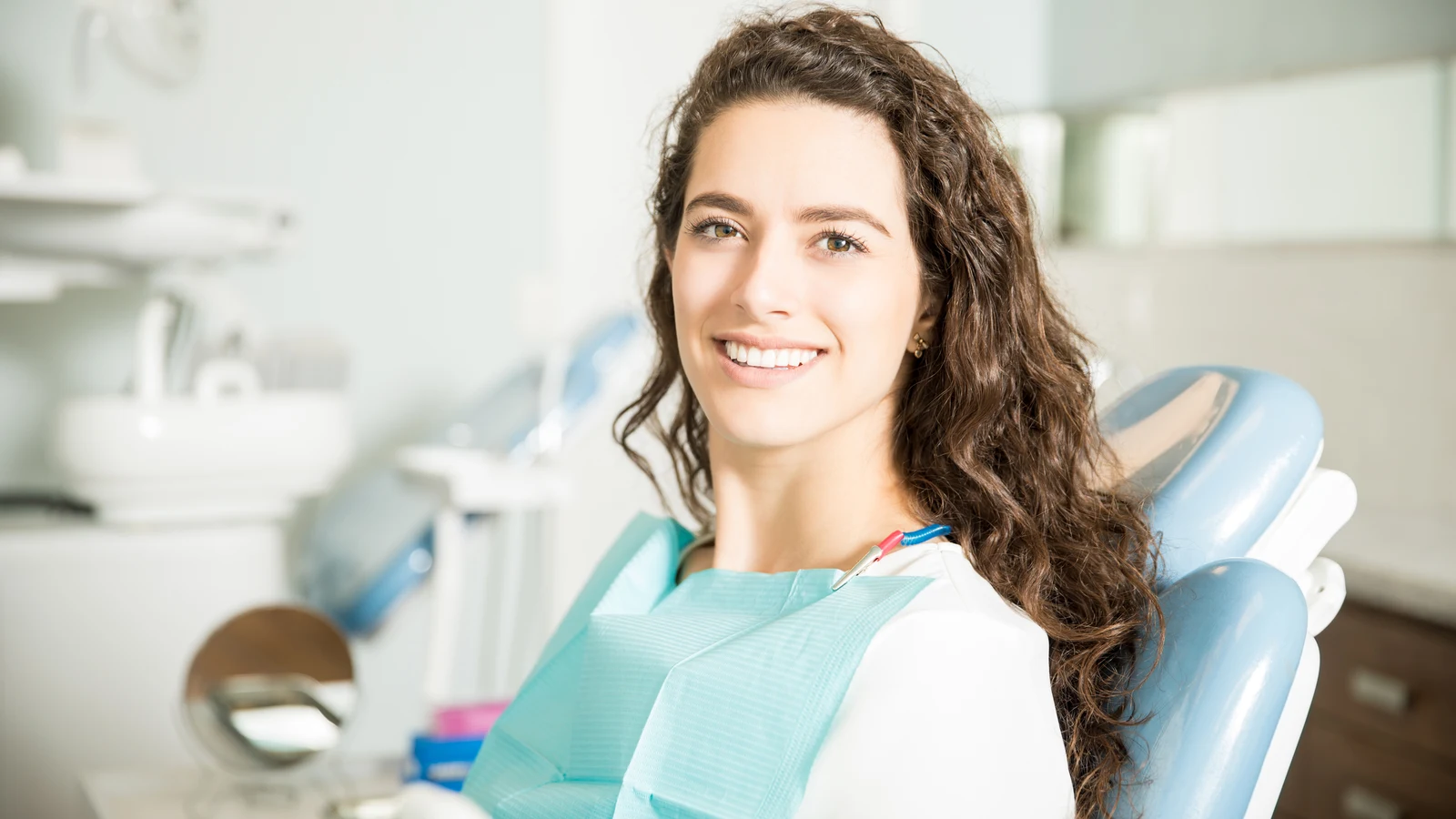
What Is Sedation Dentistry?
Sedation dentistry uses medication to help you feel calm and relaxed during dental treatment. It is ideal for patients who experience dental anxiety, have a strong gag reflex, struggle to sit still, or need several procedures completed in one visit.
You remain able to respond to us and, with lighter forms of sedation, are awake throughout — you simply feel far more at ease. Our team monitors you closely the entire time to keep your care safe and comfortable.
- Ease dental anxiety and fear
- Complete more treatment in fewer visits
- Reduce a sensitive gag reflex
- Make longer procedures comfortable
- Help patients who have difficulty getting numb
Before recommending sedation, we review your full medical history, current medications, and health conditions. We select the option that is both effective and appropriate for you, and we monitor your comfort and vital signs throughout the appointment.
Reviewed by Dr. Peter Ioannidis & Dr. Renu Varshney · Broadview Dental Clinic, Riverdale
Sedation Options We Offer
The right level of sedation depends on your anxiety, the procedure, and your health. We will help you choose during your consultation:
- Nitrous oxide (laughing gas): a mild, fast-acting option you breathe through a small mask; its effects wear off quickly so you can drive yourself home. Learn more about nitrous oxide sedation.
- Oral sedation: a prescribed medication taken before your appointment that produces a deeper sense of relaxation for more anxious patients or longer visits.
- Local anesthetic: used with any sedation to fully numb the treatment area so the procedure itself is painless.
For mild nervousness or a sensitive gag reflex, nitrous oxide is often ideal because it is gentle and wears off fast. For stronger anxiety or complex treatment, oral sedation may be a better fit. We'll recommend the safest, most comfortable choice for your situation.
Reviewed by Dr. Peter Ioannidis & Dr. Renu Varshney · Broadview Dental Clinic, Riverdale
Why Choose Sedation Dentistry at Broadview Dental Clinic
Sedation helps you get the care you need — comfortably and without dread:
Anxiety-Free Visits
Sedation calms nervousness so patients who have avoided the dentist can finally get comfortable, necessary care.
More Done in One Visit
With sedation, we can often complete several procedures in a single appointment instead of many separate visits.
Closely Monitored
We monitor your comfort and vital signs throughout, and select an option matched to your medical history.
Gentler Experience
Time seems to pass quickly and the visit feels easier, making future dental care far less stressful.
Great for Gag Reflex
Sedation helps patients with a strong gag reflex tolerate treatment that would otherwise be difficult.
Tailored to You
We personalize the type and level of sedation to your needs, so you get exactly the support you require.
Your Sedation Appointment, Step by Step
We plan every sedation visit carefully so you feel informed and at ease. Here is what to expect:
- 1. Consultation and health review. We discuss your anxiety, review your medical history and medications, and recommend the sedation option that is safest and most effective for you.
- 2. Pre-appointment instructions. Depending on the sedation type, we provide clear guidance on eating, medications, and whether you'll need someone to drive you home.
- 3. Sedation and numbing. At your visit we administer the chosen sedation and local anesthetic, then wait until you are fully relaxed and comfortable before beginning.
- 4. Treatment with monitoring. We complete your dental work while continuously monitoring your comfort, keeping you relaxed throughout the procedure.
- 5. Recovery and aftercare. We review recovery instructions with you. With nitrous oxide you can usually leave on your own; with oral sedation you'll need a ride home.
Frequently Asked Questions About Sedation Dentistry
Yes, when provided by trained professionals for appropriate patients. We review your complete medical history, choose the right option for you, and monitor your comfort and vital signs throughout the appointment.
With the options we offer — nitrous oxide and oral sedation — you remain conscious and able to respond, just deeply relaxed. These are forms of conscious sedation, not general anesthesia.
After nitrous oxide, the effects wear off within minutes and most patients can drive themselves home. After oral sedation, you will need a responsible adult to drive you, as the medication's effects last longer.
No. Sedation helps you relax, while local anesthetic numbs the treatment area. We typically use them together so you are both calm and pain-free during the procedure.
Patients with dental anxiety or phobia, a strong gag reflex, difficulty sitting still, trouble getting numb, or a need for extensive treatment in one visit often benefit. We'll confirm suitability based on your health history.
With nitrous oxide, most people remember the visit but recall it as calm and pleasant. Oral sedation can leave you feeling drowsy with a hazier memory of the appointment.
Nitrous oxide is a common, gentle option to help nervous children relax. We'll assess each child individually and discuss the most appropriate approach with parents.
Medical Disclaimer
This content is for informational purposes only and does not constitute dental or medical advice, diagnosis, or treatment. Dental conditions vary by individual and treatment recommendations depend on a thorough clinical evaluation. Consult Dr. Peter Ioannidis, Dr. Renu Varshney, or a qualified dental professional regarding any questions about your oral health. Individual results may vary.